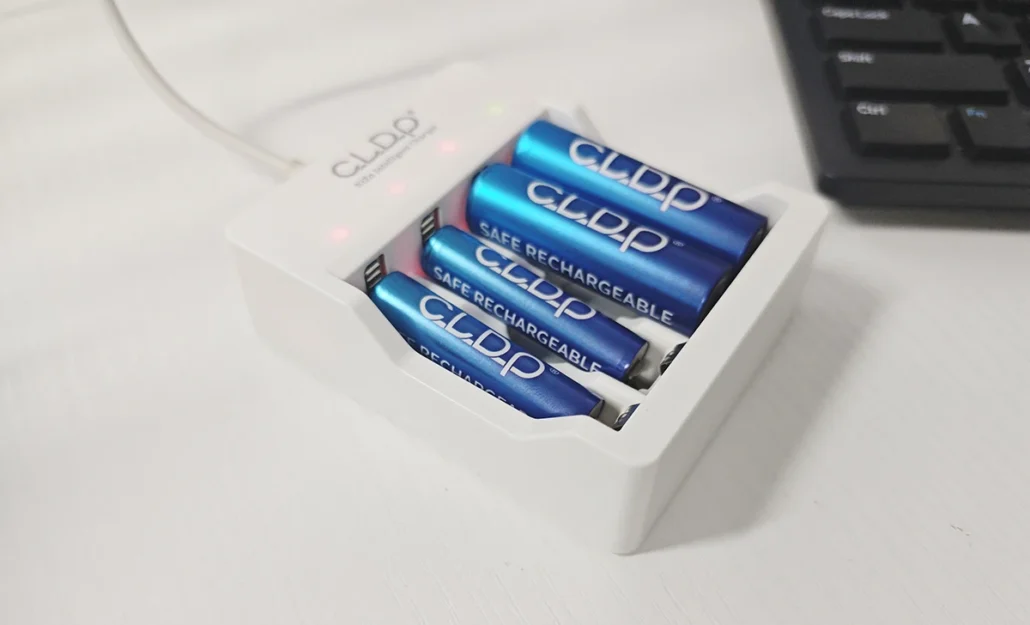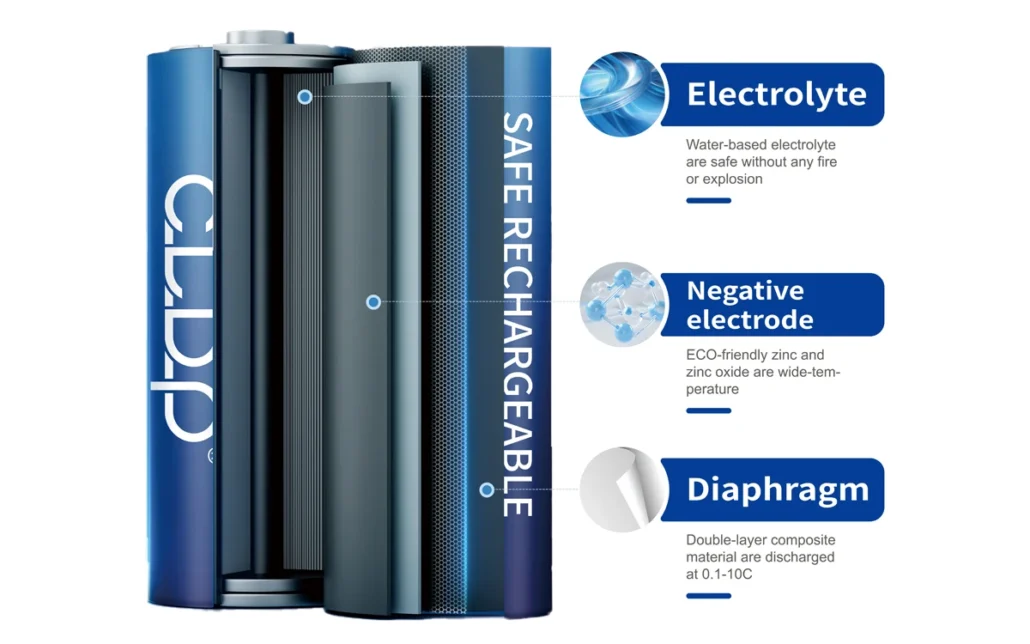
The core of storing AA and AAA batteries (including AA and AAA rechargeable batteries) is to prevent short circuits, control the environment, and classify them. Doing these three things well can not only extend the battery life, but also avoid problems such as leakage and equipment damage.
1、 Prevent short circuits and eliminate safety hazards
Short circuit is the most dangerous situation for storing batteries, whether it is disposable or rechargeable batteries, this step should be taken first.
Do not “meet” the electrodes: The positive and negative terminals of the battery (marked with “+” and “-“) cannot directly contact each other. If there is no original packaging, use small plastic bags to pack each battery separately, or use storage boxes with independent compartments to prevent the batteries from contacting each other.
Stay away from metal objects: Do not put batteries, keys, coins, paper clips, and other metal objects together. These objects can accidentally connect the positive and negative poles of the battery, forming a current circuit that may cause heating, leakage, and even damage to the battery.
2、 Store in a cool and dry place
The environmental temperature and humidity directly affect battery performance, especially rechargeable batteries are more sensitive to the environment.
Avoid damp areas: Do not place in places that are prone to moisture, such as bathrooms, kitchen sinks, balcony corners, etc. Moisture can cause rusting of battery casings and may also lead to leakage and corrosion of equipment battery compartments.
Stay away from high temperatures and direct sunlight: windowsills exposed to direct sunlight, near the heating system, near the stove, and even the dashboard of cars in summer can accelerate battery aging – disposable batteries will run out of battery prematurely, and the lifespan of rechargeable batteries will be significantly shortened, even leading to bulges.
Choose the right storage location: drawers in the bedroom, storage cabinets in the living room, and other room temperature (preferably 10-25 ℃) and dry places are most suitable for keeping the battery in a stable state.
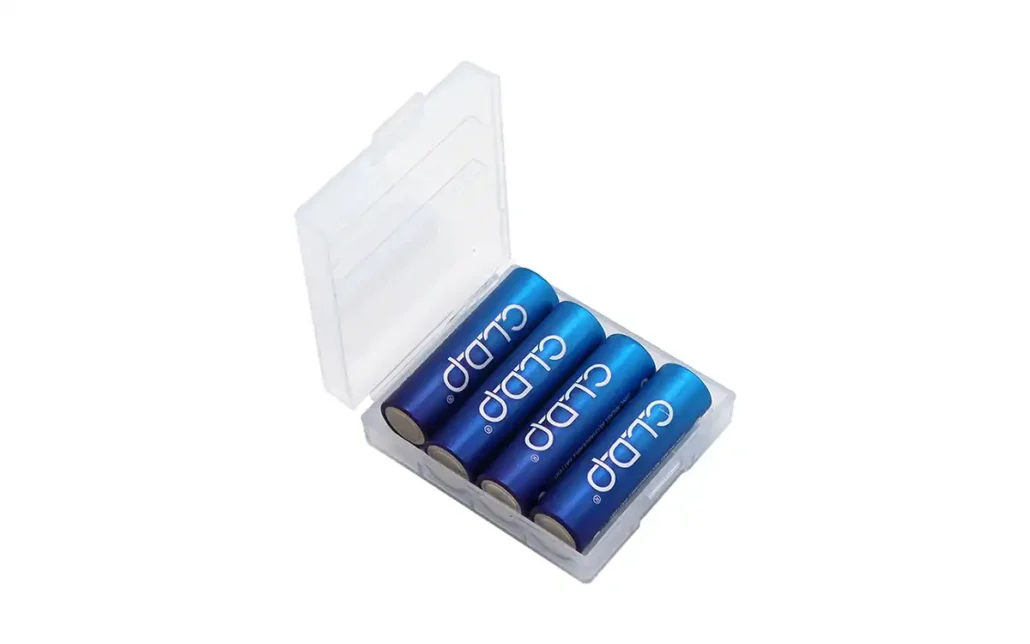
3、 Storage of rechargeable batteries
The storage requirements for rechargeable AA and AAA batteries and disposable batteries are different. In addition to the above, it is also necessary to avoid battery depletion issues.
Avoid low battery storage: Rechargeable batteries should not be left in a completely depleted state for a long time. For example, when the device prompts “low battery”, they should be charged to about half (50% -70%) before storage, otherwise they may be “depleted” and scrapped, and cannot be charged in the future.
Charge and store: If you have just used up the rechargeable battery, do not throw it directly into the storage box. First, fully charge it (but do not overcharge, unplug it when fully charged) and then store it. You can use it directly next time without waiting for charging temporarily.
4、 Classification and Storage Tips
Chaotic storage can lead to difficulties in retrieval, and may also result in mistakenly discarding rechargeable batteries as disposable or installing different types of batteries into the wrong device.
Divided by “model+type”: Use a storage box with compartments, clearly marked with “AA- disposable”, “AA- rechargeable”, “AAA- disposable”, and “AAA- rechargeable”, so that you don’t have to search for them when taking them and don’t install the wrong device.
Label usage status: Use small tags to simply record the usage status. Label disposable batteries as “new” or “old” to avoid mixing old and new batteries (old batteries consume electricity from new batteries); Rechargeable batteries are labeled as “fully charged” or “waiting to be charged”. For example, a small piece of paper can be attached to a newly charged battery, which can be selected directly for the next use without guessing the battery level.
5、 Daily inspection
Regardless of the type of battery, it is recommended to check it once a month:
Look at the appearance: If you find that the battery is bulging, leaking, or the shell is damaged, whether it is new or old, do not use it anymore and dispose of it directly according to the “hazardous waste” classification (according to local policies, some cities may classify waste batteries as other waste according to local classification requirements).
Clear the storage box: Also clean the dust in the storage box, keep it dry, and avoid dust accumulation that affects battery contact.