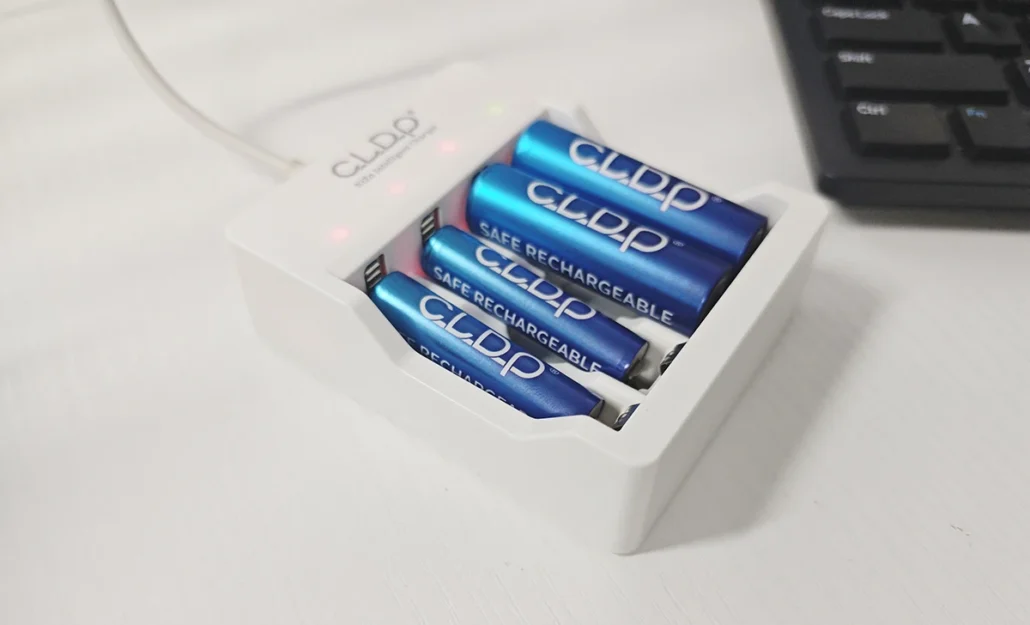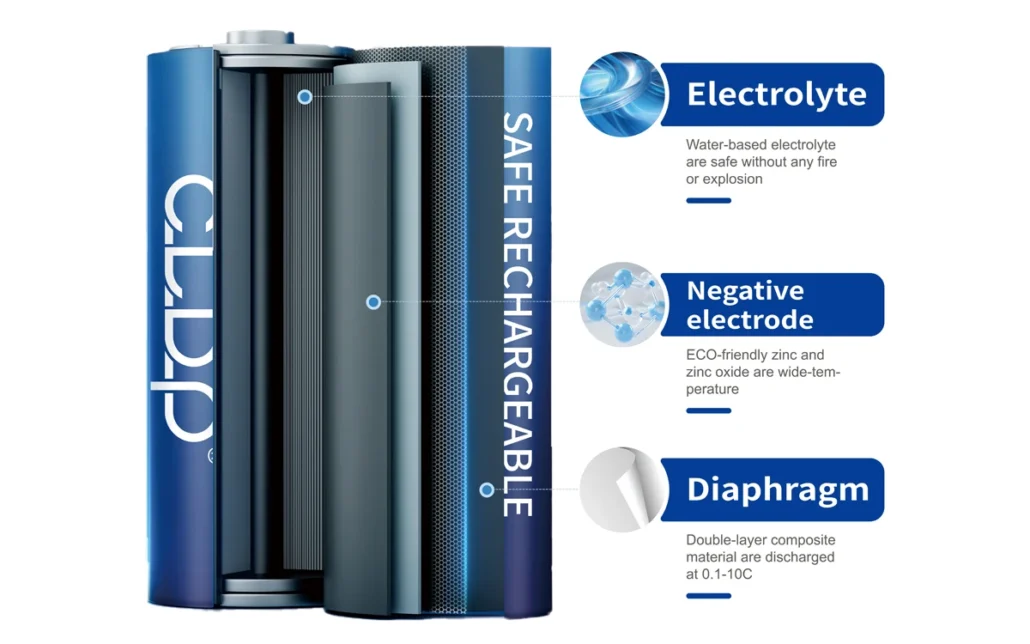
When designing a charger for zinc nickel batteries, multiple factors need to be considered to ensure the safety, efficiency, and extension of battery life during the charging process. The following are the key factors to consider when designing a zinc nickel charger.
Battery capacity
Affects charging time: The larger the battery capacity, the longer the required charging time. For example, a 2500mWh battery takes about 6 hours to fully charge at a charging current of 250mA.
Design consideration: The charger should be equipped according to the characteristics of the battery, ensuring safety while minimizing the charging time of the battery and minimizing the impact on battery performance.
Charging current
Affects charging time: The larger the charging current, the shorter the charging time. However, excessive charging current can cause the battery to heat up, affecting its lifespan and safety.
Design consideration: The charger should provide an appropriate charging current that can shorten the charging time without causing the battery to overheat. Usually, the charging current should be controlled between 0.1C and 0.2C of the battery capacity (for example, for a 2500mWh battery, the charging current should be between 250mA and 500mA).
Temperature management
Impact on battery life: The heat generated during the charging process can accelerate battery aging and affect battery life.
Design consideration: The charger should consider the impact of heat release on the battery during charging, and control the release of heat through technical means (such as reducing charging current) to prevent overheating.
Charging efficiency
Affects charging time and energy loss: Low charging efficiency can lead to prolonged charging time and energy waste.
Design consideration: The charger should have an efficient charging circuit design to reduce energy loss and improve charging efficiency.
Safety features
Overvoltage protection: prevents the battery voltage from being too high, which may cause damage or danger to the battery.
Short circuit protection: prevents damage to the charger or battery in the event of a short circuit.
Overcurrent protection: prevents excessive charging current from causing battery overheating or damage.
Reverse connection protection: prevents damage to the charger or battery when the battery is reversed.

Charging algorithm
Constant current and constant voltage charging: When the battery is low, constant current charging is used, and when it is close to full charge, it switches to constant voltage charging to prevent overcharging.
Trickle current charging: When the battery is close to full charge, use low current charging to ensure that the battery is fully charged and not overcharged.
User convenience
Charging indicator light: displays the charging status, making it convenient for users to understand the charging progress.
Type-C interface: Provides rechargeable batteries with Type-C interface, making it convenient for users to use common Type-C charging cables for charging.
Battery life
Charging frequency: Frequent fast charging may shorten battery life, so chargers should provide appropriate charging modes to balance charging speed and battery life.
Deep discharge protection: prevents excessive discharge of the battery and extends its lifespan.
Environmental adaptability
Temperature range: The charger should be able to operate normally at different ambient temperatures, avoiding charging at extreme temperatures.
Humidity and dust prevention: Chargers should have certain dust and moisture prevention capabilities to adapt to different usage environments.
Compatibility
Battery type: The charger should be specifically designed for zinc nickel batteries to ensure that the charging voltage and current match the battery characteristics.
Multi battery charging: If the charger supports charging multiple batteries simultaneously, it should be ensured that each battery can independently control the charging process to avoid overcharging or undercharging.
Summary
When designing a charger for zinc nickel batteries, multiple factors such as battery capacity, charging current, temperature management, charging efficiency, and safety characteristics must be comprehensively considered. Although increasing the charging current can shorten the charging time, it is necessary to ensure the safety of the charging process and battery life. Following the manufacturer’s charging guidelines and using a dedicated zinc nickel battery charger is the best way to ensure battery performance and lifespan.